Filter by

I am a living thing
This wonderful new book explains in a simple way why people are living things. We need sunshine, air, water, and food. We grow and change. We need places to live. Young children will be amazed to learn that, as living things, they share many similarities with plants and animals.
- Edition
- -
- ISBN/ISSN
- 9780778732297
- Collation
- 24 pages : illustration ; 24 cm
- Series Title
- -
- Call Number
- 570 KAL
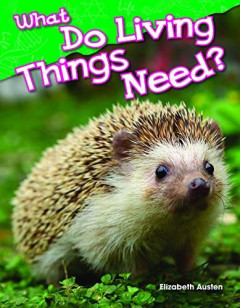
What do living things need?
What do living things need to survive? Find out in this colorful science reader! Discover that living things need light, food, water, air, space, homes, protection, and more! The easy-to-read text and vibrant images will keep young readers engaged from start to finish. This reader also includes a fun science activity and practice problems to give students additional practice in sorting living a…
- Edition
- -
- ISBN/ISSN
- 9781493811335
- Collation
- 24 pages : illustration ; 23 cm
- Series Title
- -
- Call Number
- 570 AUS

Homes of living things
Describes the homes that different kinds of animals live in, including a bear's cave, a raccoon's den in a hollow log, a squirrel's nest, a prairie dog's burrow, and a bee's hive.
- Edition
- -
- ISBN/ISSN
- 9780778732280
- Collation
- 24 pages : illustration ; 24 cm
- Series Title
- -
- Call Number
- 570 KAL
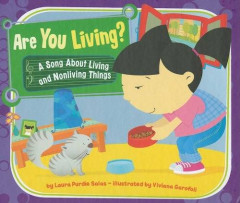
Are you living? : a song about living and nonliving things
Sing a song of science! You know the song Are You Sleeping? Sing along with new words that explain the differences between living and nonliving things.
- Edition
- -
- ISBN/ISSN
- 9781404853027
- Collation
- 24 pages : illustration ; 23 cm
- Series Title
- -
- Call Number
- 570 SAL
Plants are living things
Most plants have roots, stems, and leaves. Whether they live in oceans, forests, or marshes, plants use these parts to make their own food. This easy-to-understand book introduces children to the basics of photosynthesis and food chains. It also looks at the different ways in which plants grow.
- Edition
- -
- ISBN/ISSN
- 9780778732334
- Collation
- 24 pages : illustration ; 24 cm
- Series Title
- -
- Call Number
- 570 KAL

Interpendence of living things
Interdependence of Living Things is an informational text that explains interdependence, food webs, ecosystems, and independence. A two-page activity invites students to explore how the parts of an ecosystem are related. The book is divided into sections with some subsections. Sentences vary in length and complexity. Illustrations, labeled photographs, and diagrams support the text. Punctuat…
- Edition
- -
- ISBN/ISSN
- 9781480745995
- Collation
- 32 pages : illustration ; 22 cm
- Series Title
- -
- Call Number
- 570 RIC
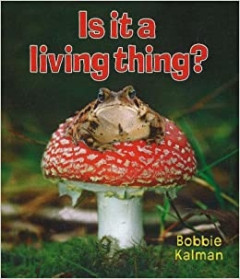
Is it a living thing?
How can children tell when something is living or non-living? In large photographs and easy text, this captivating book highlights the characteristics of living things and shows how they are all dependent on non-living things to stay alive.
- Edition
- -
- ISBN/ISSN
- 9780778732303
- Collation
- 24 pages : illustration ; 24 cm
- Series Title
- -
- Call Number
- 570 KAL

Living things in back yard
Do you have a back yard? A back yard is full of living things. Plants are living things. Animals are living things. You are a living thing, too!
- Edition
- -
- ISBN/ISSN
- 9780778732310
- Collation
- 24 pages : illustration ; 24 cm
- Series Title
- -
- Call Number
- 570 KAL
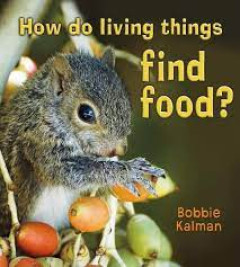
How do living things find food?
All living things need food to survive, but not all living things eat the same kinds of food. Plants make their own food from sunlight, air, and water. This book helps children learn about food-gathering techniques animals use, such as camouflage, echolocation, pouncing, trapping, poisoning, and using tools.
- Edition
- -
- ISBN/ISSN
- 9780778732341
- Collation
- 24 pages : illustration ; 24 cm
- Series Title
- -
- Call Number
- 570 KAL

 Computer Science, Information & General Works
  Philosophy & Psychology
  Religion
  Social Sciences
  Language
  Pure Science
  Applied Sciences
  Art & Recreation
  Literature
  History & Geography